

Learn to analyze financial data using Python. Master NumPy, Pandas, data visualization, portfolio analytics, technical analysis, financial modeling, and statistical analysis. Build real-world projects including an automated investment research system.
This free intermediate course teaches you to analyze financial data using Python, taking you from the basics of variables and data types all the way through portfolio construction, technical indicators, and financial modeling. You will work with NumPy and Pandas to handle real-world financial datasets, calculate returns, measure volatility and risk, and run correlation analysis. By the time you reach the capstone project, you will be building a complete investment research system from scratch.
The course is designed for finance students, analysts, and professionals who want to apply Python to their day-to-day work with financial data. A basic comfort with numbers helps, but no prior Python experience is assumed. Each module builds on the last, moving through data visualization and portfolio optimization before covering technical analysis strategies, statistical methods, and valuation modeling.
Finishing the course and passing the final exam earns you a certificate of completion you can share on LinkedIn or add to your resume. Because the course is entirely free and requires no signup to start, it is a practical first step for anyone looking to bring quantitative skills into their finance career or studies.
13 modules • 26 lessons
Finish every lesson and pass the final exam to earn this free, shareable certificate.

Certificate of Completion
has successfully completed
26 lessons · Final exam passed

Michail Ouroumis
Founder, FreeAcademy.ai
Sample preview. Your name appears on the certificate when you complete the course. Learn more
The course covers Python fundamentals, NumPy and Pandas, sourcing and exploring real financial data, data visualization, portfolio construction and optimization, technical analysis indicators, financial modeling and valuation, and statistical methods for financial research. It ends with a capstone project where you build a complete investment research system.
Yes, the entire course is free with no signup required. Completing the course and passing the final exam earns you a certificate of completion at no cost.
The course is labeled intermediate, so comfort with basic math and financial concepts will help you get the most from it. No prior Python experience is required, as the opening modules cover variables, data types, lists, and dictionaries before moving into libraries and financial applications.
The course focuses on NumPy for numerical operations and Pandas for working with DataFrames and time-series data. Modules also cover data visualization, portfolio analytics, and statistical analysis, all within a Python environment that runs directly in your browser.
Yes. Finishing all lessons and passing the final exam earns you a certificate of completion. You can add it to your LinkedIn profile or resume to show employers or academic programs that you have hands-on Python skills applied to financial data analysis.

Master data visualization using Matplotlib and Seaborn. Learn to create compelling visualizations from basic plots to advanced statistical charts. Practice with real datasets and build visualization skills for data science, analytics, and business reporting.
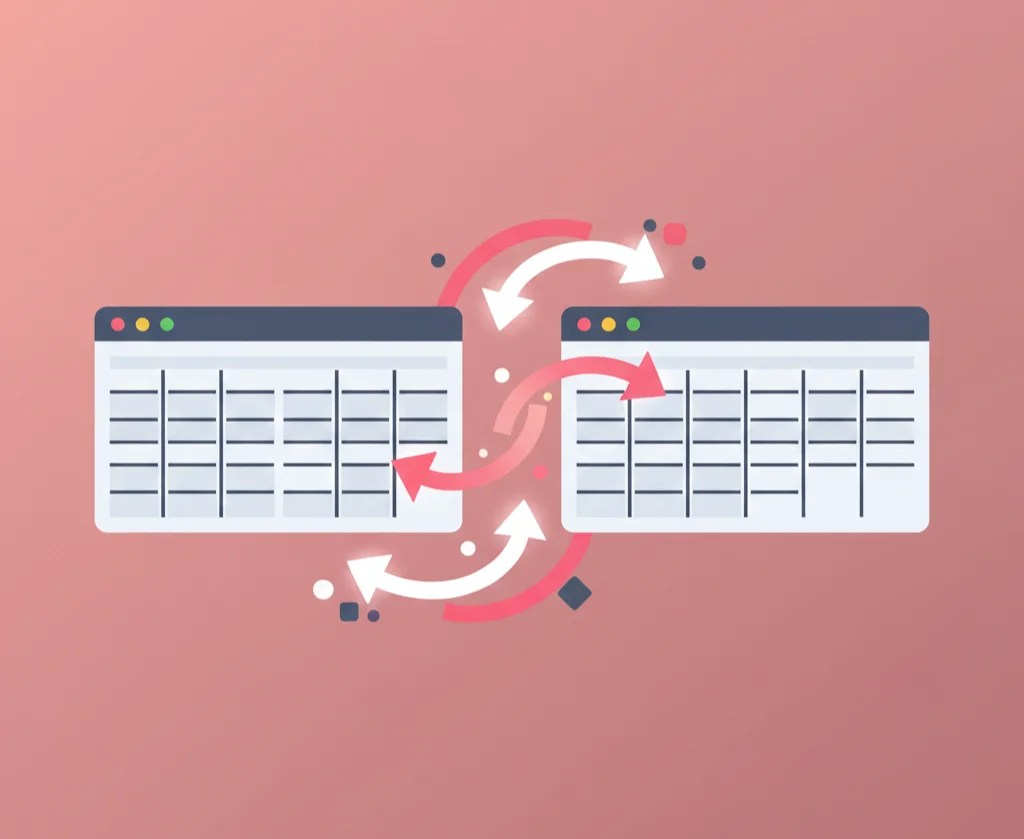
Master data analysis with Pandas through hands-on exercises. Learn to create, manipulate, filter, group, and transform DataFrames in your browser. Practice real-world data wrangling with live Python execution.

Master JSON parsing, manipulation, and transformation with hands-on exercises. Learn to navigate complex data structures, transform API responses, and build data pipelines in your browser.

Learn to analyze data using AI without writing code. Master uploading spreadsheets to ChatGPT and Claude, asking the right questions, finding patterns, creating reports, visualizing data, and cleaning messy datasets.
Understand how data moves through modern systems, no code required. Learn ETL vs ELT, cloud storage with Amazon S3, AWS Glue basics, data validation, and pipeline monitoring, plus how AI tools help you design, explain, and document pipelines.
Turn raw spreadsheets into polished, interactive dashboards using AI, no coding required. Clean data with Copilot and Power Query, write DAX measures with ChatGPT and Claude, auto-generate insights, and ask your data questions in plain English. Beginner-friendly and 100% free with a certificate of completion.