Master JSON parsing, manipulation, and transformation with hands-on exercises. Learn to navigate complex data structures, transform API responses, and build data pipelines in your browser.
JSON is the universal language of modern data, and knowing how to parse, navigate, and transform it is one of the most practical skills you can build for working with APIs, automating tasks, or analyzing data in any field. This free intermediate course walks you through JSON from the ground up, covering syntax and data types before moving into real manipulation techniques like dot and bracket notation access, optional chaining, and safe error handling when parsing goes wrong.
The course then gets hands-on with array transformations using map(), filter(), and reduce(), object manipulation through destructuring and spread patterns, and the Object.keys(), values(), and entries() methods. Every concept is taught through interactive in-browser exercises, so you practice directly as you learn rather than reading theory alone.
The final modules tackle real-world patterns you will actually encounter: working with API responses, flattening nested data structures, and normalizing data for downstream use. A dedicated Practice Challenges module with basic, transform, and advanced exercises lets you test everything before sitting the final exam. Complete the course and pass the exam to earn a certificate of completion you can add to your LinkedIn profile or resume. No signup or software installation is required.
7 modules • 23 lessons
Finish every lesson and pass the final exam to earn this free, shareable certificate.
Certificate of Completion
has successfully completed
23 lessons · Final exam passed

Michail Ouroumis
Founder, FreeAcademy.ai
Sample preview. Your name appears on the certificate when you complete the course. Learn more
The course covers JSON fundamentals, parsing and validation with JSON.parse() and JSON.stringify(), accessing nested data structures, array transformations with map/filter/reduce, object manipulation techniques, and real-world patterns like working with API responses and flattening nested data. It finishes with a set of practice challenges at multiple difficulty levels.
Yes, the course is completely free and requires no signup to start. If you complete all the lessons and pass the final exam, you earn a certificate of completion that you can share on LinkedIn or include on your resume.
The course is rated intermediate, so a basic familiarity with JavaScript syntax, such as variables, functions, and arrays, will help you move through the material comfortably. You do not need prior experience with JSON specifically since the course starts from the fundamentals.
No installation is needed. All exercises run directly in your browser through FreeAcademy's interactive code playground, so you can learn and practice from any device without any setup.
JSON is the standard format for data exchange across APIs, analytics pipelines, AI tools, and automation workflows in virtually every field. Whether you are working in data analysis, research, finance, or any domain that involves pulling data from external services, understanding how to parse and transform JSON lets you work with that data directly and build more reliable processes.
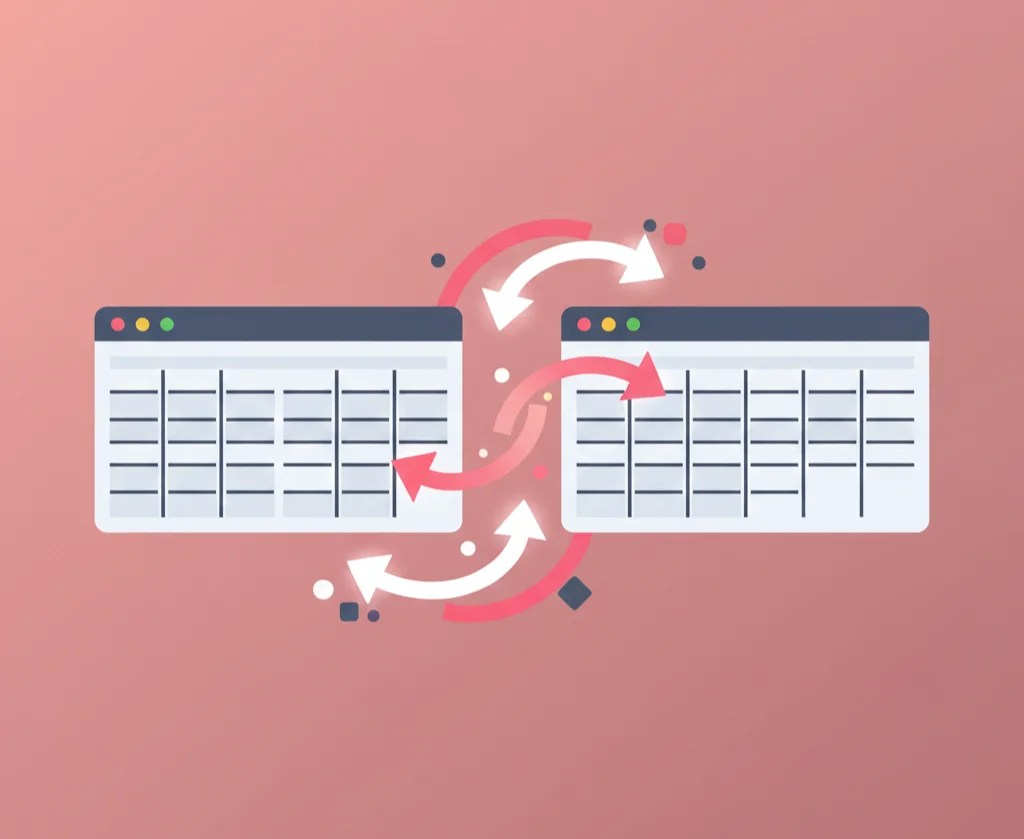
Master data analysis with Pandas through hands-on exercises. Learn to create, manipulate, filter, group, and transform DataFrames in your browser. Practice real-world data wrangling with live Python execution.

Master data visualization using Matplotlib and Seaborn. Learn to create compelling visualizations from basic plots to advanced statistical charts. Practice with real datasets and build visualization skills for data science, analytics, and business reporting.

Learn to analyze financial data using Python. Master NumPy, Pandas, data visualization, portfolio analytics, technical analysis, financial modeling, and statistical analysis. Build real-world projects including an automated investment research system.
Explore the intersection of economics and sustainability. Learn how economic principles can be adapted to address environmental challenges, climate change, resource management, and social equity. Perfect for students, policymakers, and anyone interested in building a sustainable future.

Master data structures and algorithms with hands-on Python practice. Run real code in your browser: Big-O analysis, stacks, queues, linked lists, hash tables, recursion, searching, sorting, trees, graphs, and the interview patterns that tie them together.
Master npm and JavaScript package management from the ground up. Learn package.json configuration, dependency management, semantic versioning, npm scripts, and security best practices. Essential knowledge for any JavaScript developer.