Master GitHub Copilot to boost your coding productivity. Learn setup, effective prompting, managing suggestions, using Copilot Chat, writing tests and documentation, code review best practices, and understand limitations compared to other AI coding tools.
GitHub Copilot is an AI pair programming tool built into your code editor, and this free course teaches you everything you need to get real value from it quickly. Starting from installation and setup inside your IDE, you will learn how to write comments and prompts that produce accurate, useful code suggestions. You will also learn how to cycle through Copilot's options, accept what works, and dismiss what does not, so you stay in control of your own codebase.
The course moves into Copilot Chat, showing you how to use it for code explanations and refactoring tasks, then covers two high-value time-savers: generating unit tests and drafting documentation. Whether you are a student working on assignments or a professional writing code at work, these skills translate directly into faster output and fewer errors.
The final module is where many courses stop short but this one goes further. You will study code review practices specific to AI-generated code, understand where Copilot falls short, and get a grounded overview of alternative AI coding tools so you can make informed choices. The course is free, takes about 40 minutes to complete, and finishing the final exam earns a certificate of completion you can share on LinkedIn or add to your resume.
4 modules • 8 lessons
Finish every lesson and pass the final exam to earn this free, shareable certificate.

Certificate of Completion
has successfully completed
8 lessons · Final exam passed

Michail Ouroumis
Founder, FreeAcademy.ai
Sample preview. Your name appears on the certificate when you complete the course. Learn more
The course walks through four modules: setting up Copilot in your IDE, writing effective prompts and managing suggestions, using Copilot Chat plus test and documentation generation, and finally code review practices alongside a look at Copilot's limitations and alternatives. Every lesson is grounded in practical, hands-on usage.
Yes, the course is completely free and requires no signup to start. Completing all lessons and passing the final exam earns you a certificate of completion that you can add to your LinkedIn profile or resume.
Basic familiarity with at least one programming language is helpful since the course demonstrates Copilot generating real code. That said, the beginner-level pacing means you do not need to be an experienced developer to follow along and benefit from what is taught.
The course focuses specifically on GitHub Copilot, including its inline code completion, prompt-writing techniques, Copilot Chat for explanations and refactoring, and its test and documentation features. The final lesson also briefly compares Copilot to other AI coding tools so you understand the wider landscape.
The course is designed as a micro course and takes roughly 40 minutes from start to finish. It is structured so you can complete it in a single focused session or work through it a module at a time.
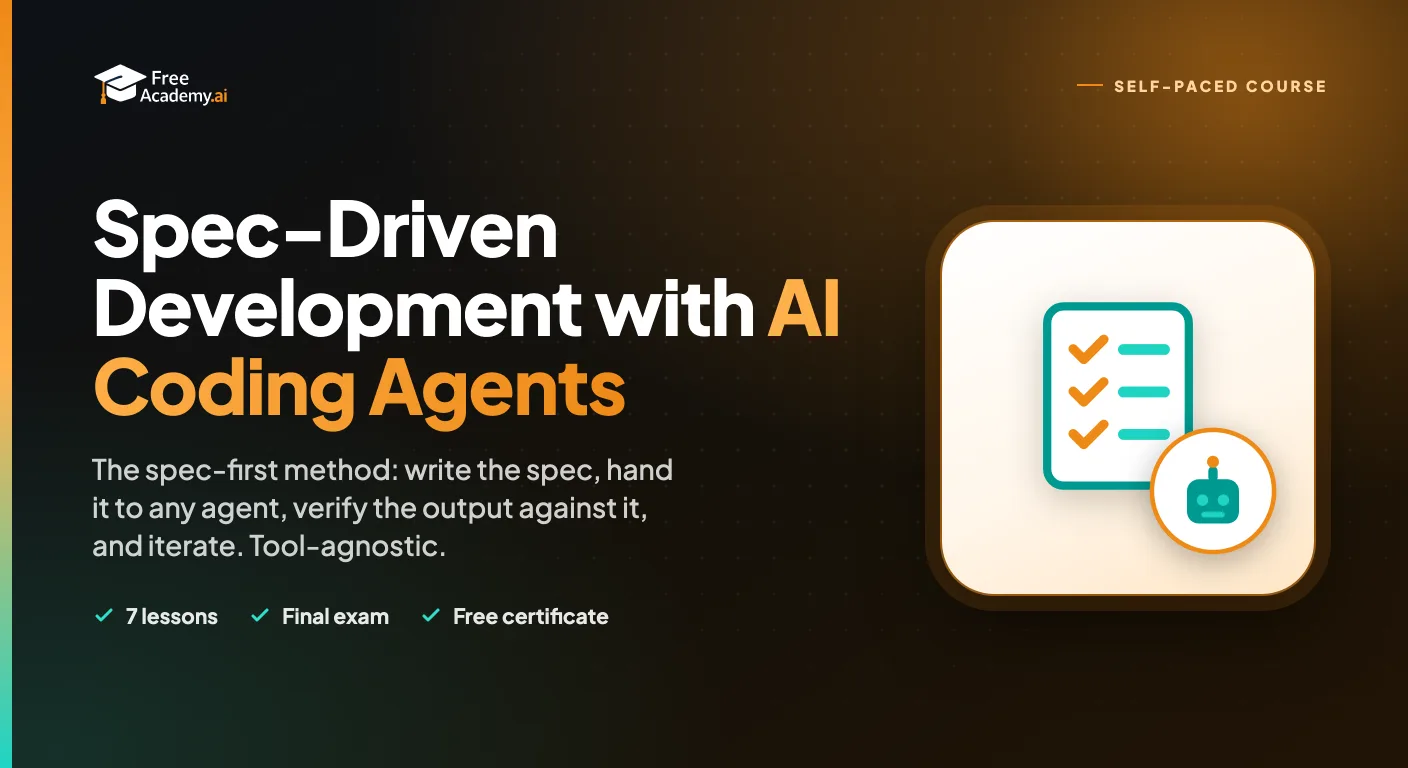
Learn the spec-first method for building software with AI coding agents. Write specs with acceptance criteria, edge cases, and constraints, structure context for any agent, verify output against the spec with tests, iterate on failures, and know when to hand-code. Tool-agnostic across Claude Code, Cursor, Copilot, Devin, and any agent.
Learn to leverage Claude AI for effective code review in 30 minutes. Master prompts for finding bugs, security vulnerabilities, and refactoring suggestions with hands-on practice.
Learn OpenClaw, the viral open-source autonomous AI agent. Understand the Gateway architecture, install and configure your own agent, master skills and memory, secure your setup with Docker sandboxing, build multi-agent teams, publish skills to ClawHub, and optimize performance.
Master Claude Code, Anthropic's agentic coding tool. Learn installation across CLI, desktop, web, and IDE extensions. Master core workflows for reading, writing, debugging, and refactoring code. Configure CLAUDE.md files, memory, slash commands, MCP servers, and hooks. Build real features and compare Claude Code with Cursor and Copilot.
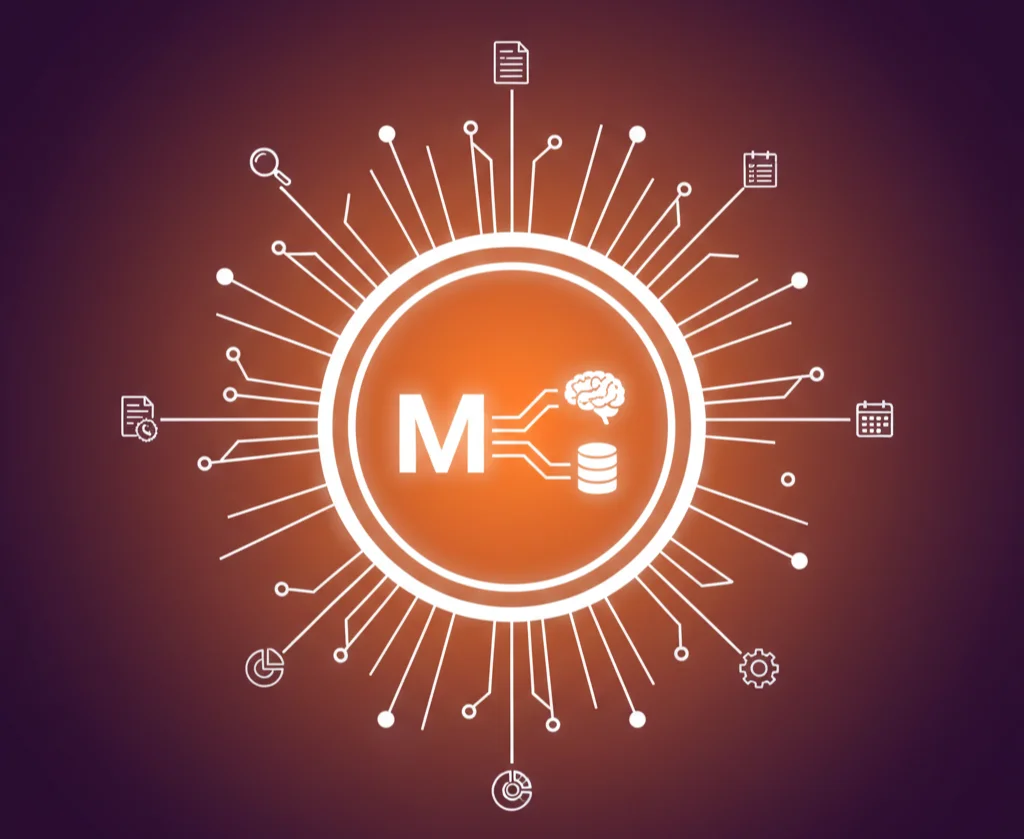
Master the Model Context Protocol (MCP) - Anthropic's open standard for connecting AI assistants to external tools and data sources. Learn to configure, use, and build MCP servers that extend AI capabilities with real-world integrations.

Master Cursor, the AI-powered code editor. Learn Chat, Cmd+K inline editing, Tab completion, Agent mode, multi-file refactoring, codebase-wide context, custom rules, and productivity workflows that dramatically speed up development.