
Master Supabase concepts from the ground up. Learn about PostgreSQL foundations, authentication, Row Level Security, realtime subscriptions, storage, Edge Functions, and security best practices. Perfect for developers who want to understand how Supabase works before building applications.
Most developers reach for Supabase because it promises a Postgres database, authentication, and APIs without the usual backend setup, but the ones who build reliable apps are those who understand what's happening beneath that convenience. This free Supabase course is built around that understanding. Rather than rushing you into a project, Supabase Fundamentals walks through the platform piece by piece, starting with the PostgreSQL foundations that everything else depends on and moving into the features that make Supabase such a popular Firebase alternative.
By the end, you'll know how Supabase authentication actually works, how Row Level Security policies protect your data at the database level, and how realtime subscriptions, storage, and Supabase Edge Functions fit together. You'll also pick up the security best practices that separate a quick prototype from something safe to ship. Each concept is explained in plain terms with hands-on context, so this Supabase tutorial works whether you're completely new to the platform or simply filling gaps before your next build.
The course is for developers who want to learn Supabase properly, frontend engineers adding a backend, students exploring databases for the first time, and anyone evaluating Supabase against other tools. It's 100% free, with no paywalls, trials, or hidden tiers, and when you finish you'll earn a free certificate of completion to share on your resume or LinkedIn. Whether you think of it as a free Supabase course or your own personal Supabase academy, you'll come away knowing not just how to use Supabase, but why it works the way it does.
12 modules • 40 lessons
Finish every lesson and pass the final exam to earn this free, shareable certificate.

Certificate of Completion
has successfully completed
40 lessons · Final exam passed

Michail Ouroumis
Founder, FreeAcademy.ai
Sample preview. Your name appears on the certificate when you complete the course. Learn more
Supabase is an open-source backend platform built on PostgreSQL, often used as a Firebase alternative. This course teaches the fundamentals: PostgreSQL, authentication, Row Level Security, realtime subscriptions, storage, and Edge Functions.
Some general development experience helps, since this is an intermediate course, but it teaches the PostgreSQL and backend concepts from the ground up so you understand how Supabase works before building with it.
It focuses on understanding the concepts and architecture behind Supabase, including database design patterns and security best practices, so you can make good decisions when you build real applications.
The course explains the differences directly, covering where the PostgreSQL foundation and open-source model are advantages and where Firebase may fit better, so you can choose the right tool for your project.
Yes. The course is completely free with no signup to start, and you earn a certificate of completion for LinkedIn or your resume after passing the final exam.
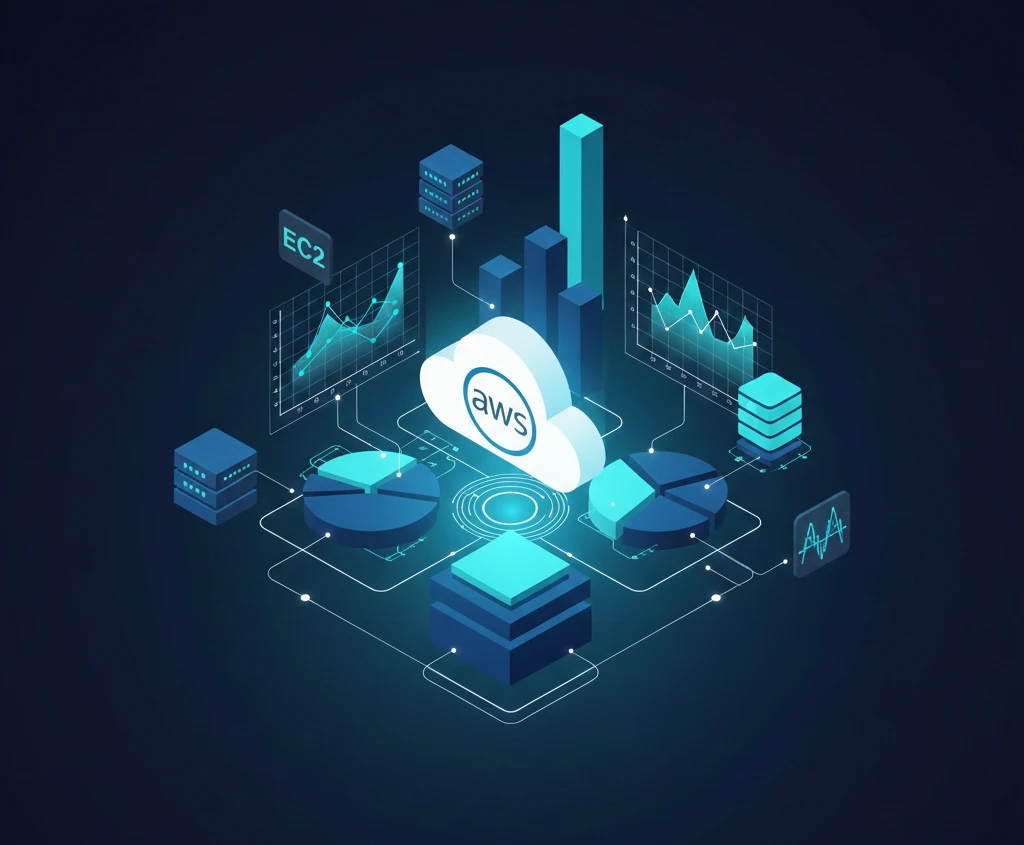
Master the fundamentals of Amazon Web Services (AWS). Learn about cloud computing basics, core AWS services including EC2, S3, RDS, and Lambda, security best practices, and cost management. Perfect for developers, IT professionals, and anyone starting their cloud journey.
Learn n8n, the free and self-hostable workflow automation tool. Build real automations by importing ready-made JSON workflows, then customize them with expressions and the Code node. No prior coding required.

Master data structures and algorithms with hands-on Python practice. Run real code in your browser: Big-O analysis, stacks, queues, linked lists, hash tables, recursion, searching, sorting, trees, graphs, and the interview patterns that tie them together.