Last updated
Master data structures and algorithms with hands-on Python practice. Run real code in your browser: Big-O analysis, stacks, queues, linked lists, hash tables, recursion, searching, sorting, trees, graphs, and the interview patterns that tie them together.
Data structures and algorithms are the skills that separate someone who can write Python from someone who can engineer with it, and they are the backbone of nearly every technical interview at serious software companies. This free course teaches DSA the way it should be taught: by running real code. Every lesson includes live Python playgrounds that execute in your browser, plus graded exercises with hints and solutions, so you never just read about an algorithm, you run it, time it, break it, and fix it. You can even expand any editor to a fullscreen IDE while you work.
Across four modules you will build the complete toolkit. You start with Big-O notation and learn to measure complexity in real milliseconds, then look inside Python lists to understand why some operations are instant and others quietly scan thousands of items. From there you implement the core structures by hand: stacks, queues with deque, linked lists built from nodes and pointers, and the hash tables behind dict and set. The algorithms module covers recursion and memoization, linear and binary search, and the classic sorts from bubble to merge to quicksort, always compared against Python's own Timsort. You finish with binary search trees, graph traversal with BFS and DFS, and the two-pointer and sliding-window patterns that crack most interview questions.
No paid tools and no setup are required, everything runs in your browser, and you earn a free certificate by passing the final exam. If you know basic Python syntax (variables, loops, functions), you are ready. If you need a refresher first, our Interactive Python Practice course covers the prerequisites, and our JavaScript DSA course makes a great follow-up if you work across both languages.
4 modules • 11 lessons
Finish every lesson and pass the final exam to earn this free, shareable certificate.
Certificate of Completion
has successfully completed
11 lessons · Final exam passed

Michail Ouroumis
Founder, FreeAcademy.ai
Sample preview. Your name appears on the certificate when you complete the course. Learn more
Teaching a class or training a team? Assign this course for free
Yes. Every lesson, playground, exercise, quiz, and the final exam with its certificate is completely free. No credit card, no trial, no locked content.
No. Every code example and exercise runs in an interactive Python playground directly in your browser, and you can expand any editor to fullscreen for a full IDE feel. There is nothing to install.
Basic syntax is enough: variables, loops, functions, and lists. If you can write a simple function, you are ready. Our free Interactive Python Practice course covers those prerequisites if you need them.
It covers the core interview toolkit: complexity analysis, hash tables, recursion, binary search, sorting, trees, graphs, plus the two-pointer and sliding-window patterns, each drilled with hands-on problems like two sum, balanced brackets, and first bad version.
Around 6 hours of focused work across 11 lessons in 4 modules. Because every lesson is hands-on, most learners spread it over one to two weeks, and your progress is saved as you go.
Level up from Python basics to writing powerful, real-world Python for data, AI, and automation. Master classes and dataclasses, comprehensions and generators, decorators, context managers, robust error handling, type hints, packaging, working with files and APIs, and a practical intro to async. Hands-on examples and a free certificate of completion.
Learn Python from scratch by building 8 mini-projects you run in your browser, from a tip calculator to a flashcard quiz app. No install, no signup to start, and a free certificate. Powered by Pyodide.
Dive deep into essential data structures and algorithms, implementing them in JavaScript. Learn arrays, strings, linked lists, stacks, queues, hash tables, trees, graphs, and key algorithmic techniques including recursion, sorting, searching, and dynamic programming.

An advanced, workflow-specific course for litigation attorneys, paralegals, and in-house counsel. Go deeper than the basics with AI-assisted e-discovery, deposition prep, case law synthesis, motion and brief drafting, expert witness analysis, and trial preparation — with a strong focus on US/UK ethics, FRCP/CPR compliance, and hallucination prevention.

Master Microsoft Copilot across the entire Microsoft 365 ecosystem. Learn to use Copilot in Word, Excel, PowerPoint, Outlook, and Teams to draft documents, analyze data, build presentations, manage email, and automate workflows. Includes prompt engineering techniques specific to Copilot.
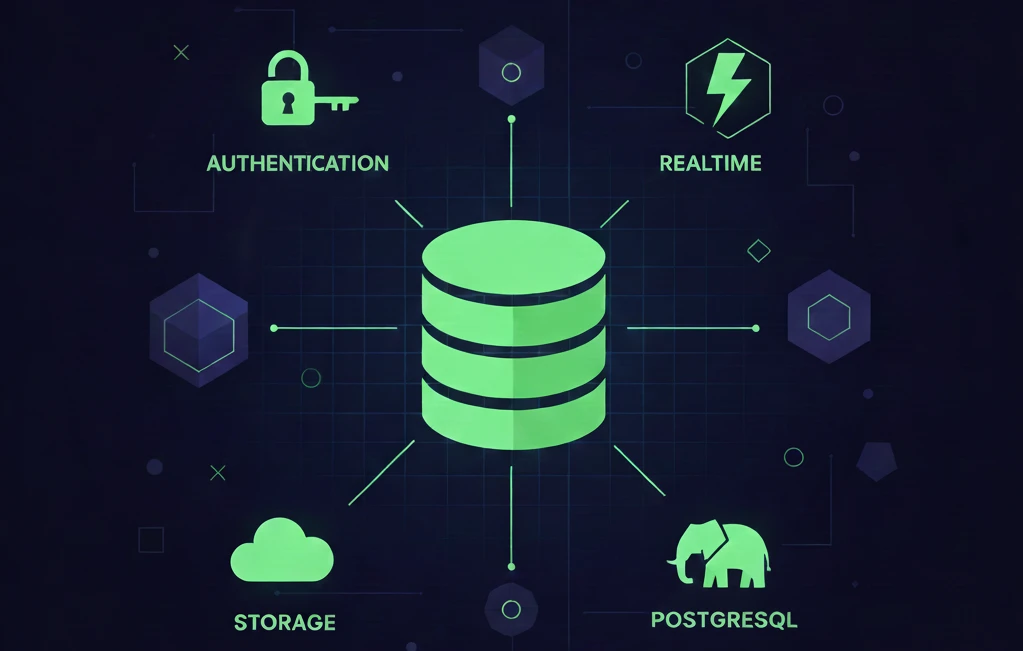
Master Supabase concepts from the ground up. Learn about PostgreSQL foundations, authentication, Row Level Security, realtime subscriptions, storage, Edge Functions, and security best practices. Perfect for developers who want to understand how Supabase works before building applications.