Build a private, offline knowledge base over your own notes and PDFs using a local AI model. A hands-on beginner micro course: run a model with Ollama, turn documents into embeddings, store them in a local Chroma database, and ask questions answered from your own files. No cloud APIs, no fees, your data stays on your machine. Want to deploy it as a web app instead? See the Full-Stack RAG course (/courses/fullstack-rag-nextjs-supabase-gemini).
Most AI tools that let you chat with your documents send those files to someone else's cloud and charge by the request. This free micro course takes the opposite path: you build a knowledge base that runs entirely on your own computer, so your notes, PDFs, and private files never leave your machine and never cost a cent to query. It is the most direct, hands-on way to understand how retrieval-augmented generation (RAG) actually works, because you build every piece of it yourself.
Across seven short lessons you will run a local AI model with Ollama, learn what embeddings are without the heavy math, load and chunk your own documents, store them in a local Chroma vector database, and write a small query loop that answers questions using your material. The flagship project is a private study helper over your own notes and PDFs, the kind of assistant that answers from exactly what you are being tested on rather than the open internet.
This course is written for privacy-conscious learners and students with their own study materials, and it assumes only basic Python familiarity. Every code block is short, copyable, and explained in plain language, so you do not need a software-engineering background or a powerful computer. A normal laptop and the willingness to follow a recipe are enough.
The whole course is 100% free, with no signup wall, and finishing it earns you a free certificate of completion for your LinkedIn or resume. When you are ready to grow, the final lesson points you toward deploying your knowledge base as a real web app and going deeper on the vector-database layer.
3 modules • 7 lessons
Finish every lesson and pass the final exam to earn this free, shareable certificate.
Certificate of Completion
has successfully completed
7 lessons · Final exam passed

Michail Ouroumis
Founder, FreeAcademy.ai
Sample preview. Your name appears on the certificate when you complete the course. Learn more
Local RAG is a system where an AI model answers questions using your own documents, with every step running on your computer. In this course you build a private study helper: you run a model with Ollama, embed and store your notes and PDFs in a local Chroma database, and ask questions that get answered from your own files. No cloud services are used.
Yes. The course is completely free with no signup wall. Finishing all lessons and passing the final exam earns you a certificate of completion you can add to your LinkedIn profile or resume.
You only need basic Python familiarity, meaning you can copy a block of code, save a file, and run it. Every line is explained in plain language and the code is kept short on purpose, so a software-engineering background is not required.
A normal laptop from the last few years can run a small local model. You need the internet once to download the tools and models, but after that the whole system works offline, and you can use a lighter model if your machine has limited memory.
This course is the beginner, fully local, hands-on build. The Full-Stack RAG course shows how to deploy a similar system as a live web app with a cloud model, and the Vector Databases course goes deep on indexing, tuning, and scaling the storage layer. The final lesson links to both as next steps.
Run a free, private ChatGPT-style AI model right on your own laptop with Ollama and LM Studio. A beginner micro course: understand why local AI is private and free, check what your computer can actually run, install both tools, choose the right model, and use it every day to chat, draft, and summarize documents. No coding background needed, and your data never leaves your machine.
Set up Hermes Agent, the open-source self-hosted AI assistant from Nous Research that writes its own reusable skills and keeps all your data on your own machine. A beginner-friendly micro course: understand what makes Hermes different, install it with a single command, run your first useful tasks, and stay safe with a practical permissions checklist. Prefer a chat-app interface instead? Try the OpenClaw micro course (/courses/micro-openclaw-ai-agent).
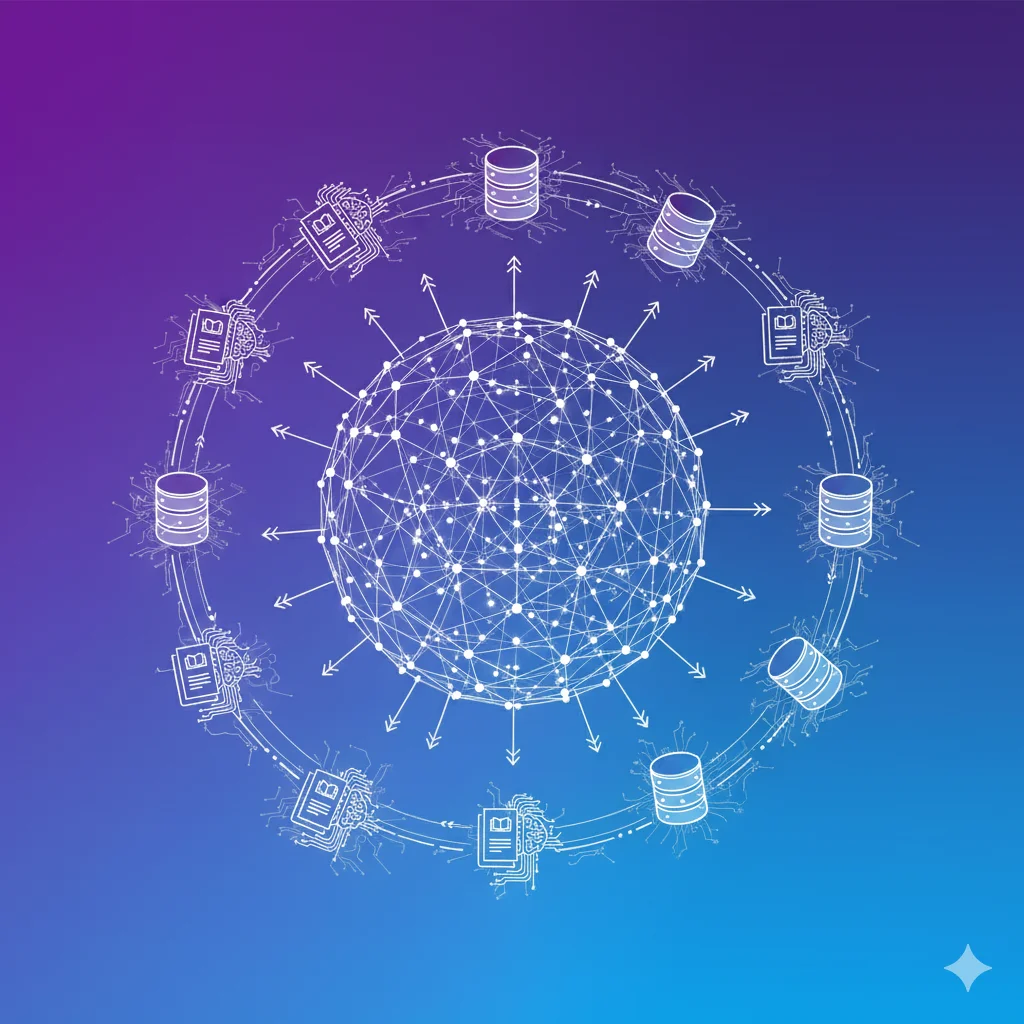
Master vector databases for AI applications. Learn embeddings, similarity search, and hands-on setup of Pinecone, pgvector, and Chroma. Understand indexing strategies, hybrid search, performance optimization, and how to choose the right database for your use case.
Master the principles, architecture, and core components required to build production-ready RAG applications. Learn to create custom knowledge chatbots using Next.js, Supabase with pgvector, and Google's Gemini API. Perfect for JavaScript/Next.js developers who want to integrate advanced AI features.
Build a working AI agent from scratch in Python. Learn the think-act-observe loop, call an LLM, give your agent a tool it can use, and handle a failed tool call. Framework-agnostic and beginner-friendly.
Already know basic Python? Build one real thing end to end: a small AI data app that loads a dataset, sends a slice of it to a language model, and turns the response into a written analysis. You will use pandas only as much as the app needs, call an LLM API directly (no agents, no frameworks), wire the pieces into a single script with real error handling, and ship it as a shareable Streamlit app you can run locally. A project-based intermediate course with a free certificate of completion.