

AI Content Workflow for GEO: Get Cited by ChatGPT

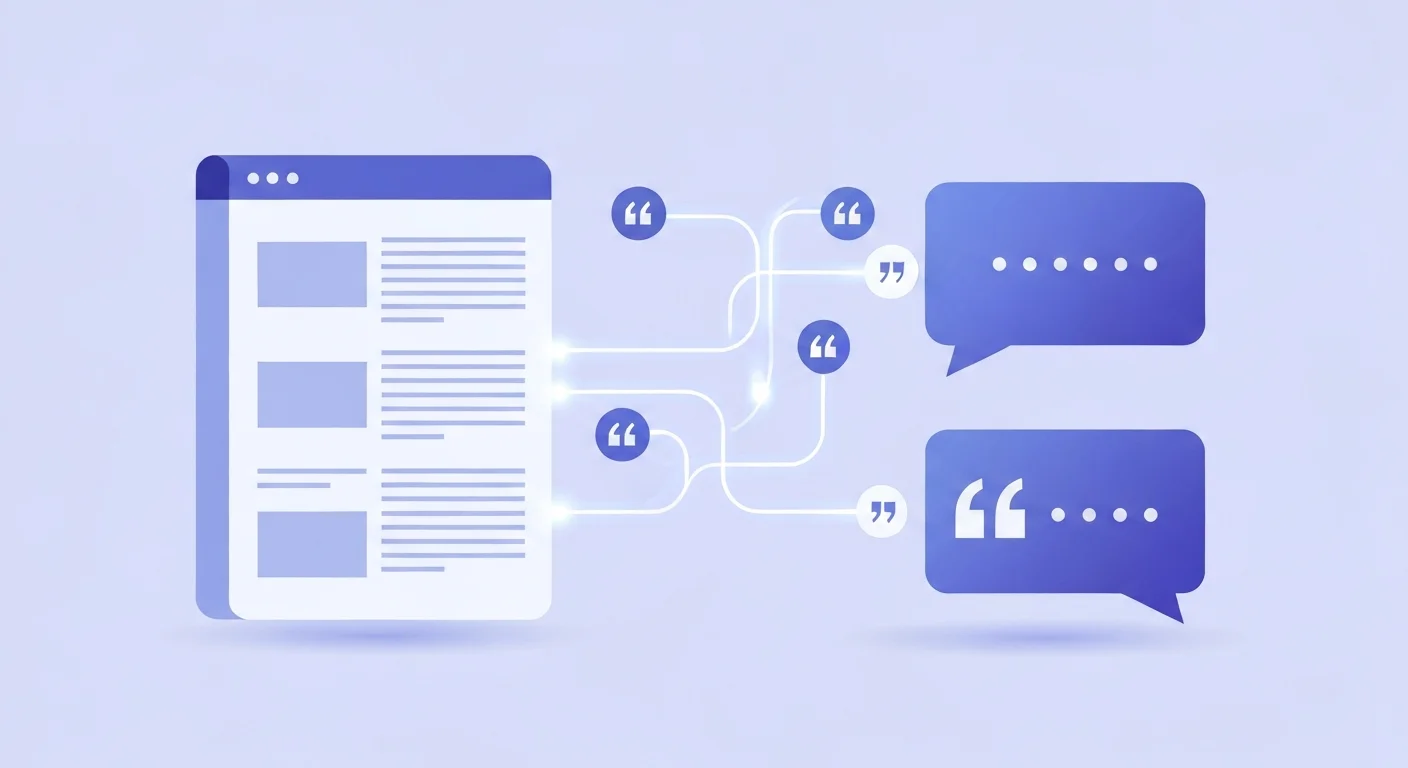
Search is no longer just ten blue links. People ask ChatGPT and Perplexity a question and get one answer, stitched together from a handful of sources. If your page is one of those sources, you win. If it is not, you are invisible, no matter how well you ranked on Google last year.
Getting cited is not luck. It follows a repeatable process. This is the AI content workflow for GEO, the step by step method we use to produce pages that generative engines pull into their answers.
Why GEO Needs Its Own Workflow
Generative Engine Optimization, or GEO, is the practice of making content that AI engines quote. Traditional SEO aims to rank a page. GEO aims to become the sentence the model repeats back to a user.
That changes what a good page looks like. The model does not read your whole article. It retrieves small chunks, judges which ones answer the question, and cites the clearest one. So your job is to make each chunk easy to lift and hard to argue with.
The workflow below has five stages. Follow them in order and you stop guessing.
Step 1: Find Questions, Not Keywords
Start with the real question a person types into ChatGPT. Not "best crm software" but "what is the cheapest CRM for a two person team."
Collect these prompts from a few places. Ask the AI engines themselves what people commonly ask about your topic. Read the "People also ask" boxes. Check Reddit and support forums for the exact wording. Look at your own site search logs.
Group the questions into clusters. One page should own one cluster. A page that tries to answer thirty unrelated questions gets cited for none of them.
Step 2: Draft the Answer First
Before you write the article, write the answer. In two or three sentences, state the direct response to the main question. Plain language, no windup.
This matters because AI engines favor content that answers up front. If a reader, or a model, has to scroll past four paragraphs of history to reach the point, the chunk is weak.
Here is the test. Read your opening lines out loud. If someone asked the question at a dinner table, would those lines be a good reply? If not, cut until they are.
Step 3: Structure for Retrieval
Now build the page around that answer. Structure is where most GEO pages fail, so give it real attention.
Use clear question headings
Make your H2 and H3 headings match how people ask. "How much does it cost" beats "Pricing." The model matches the question to your heading, so the closer the wording, the better.
Write self contained chunks
Each section should stand on its own. Assume the model reads only that paragraph and nothing else. Do not write "as mentioned above." Repeat the key noun instead of using "it" or "this."
Add structured elements
Short lists, small tables, and step numbers are easy for a model to parse and quote. A three row comparison table often gets pulled straight into an answer. Use them where they fit, not as filler.
Step 4: Add Signals of Trust
AI engines weigh whether a source is credible. You can nudge that judgment.
- Cite real numbers and name the source and date. "In 2026" beats "recently."
- Quote named experts or link to primary research.
- Show author details and a clear publish date. Freshness is a strong signal for fast moving topics.
- Add schema markup so machines can read your author, dates, and article type without guessing.
These signals do not just help the engine. They also make the page more useful to the human who lands on it, which keeps the whole effort honest.
Step 5: Publish, Track, and Refine
Ship the page, then measure whether it gets cited. Ask the same question in ChatGPT and Perplexity over the following weeks. Note whether your domain shows up in the sources.
Watch referral traffic too. Both engines send clicks, and that traffic shows up in your analytics as visits from their domains. If a page earns citations, write more in that cluster. If it does not after a few weeks, revisit the answer at the top and tighten the headings.
GEO is a loop, not a launch. The engines change, competitors publish, and your best pages need a refresh every few months.
A Quick Example
Say you sell budgeting apps. Instead of a 2,000 word "ultimate guide to budgeting," you build one page titled "What is the best free budgeting app for beginners." The first two sentences name a clear pick and say why. Each section answers one follow up question. A small table compares three apps on price and features. You cite a 2026 usage stat with its source.
That page is built to be quoted. When someone asks Perplexity for a beginner budgeting app, your two sentences are ready to lift.
Start Building GEO Pages Today
The AI content workflow for GEO is not complicated. Find the real questions, answer first, structure for retrieval, add trust signals, then track and refine. Do that consistently and you show up where buying decisions now begin.
Want to go deeper on generative engine optimization and AI search? Explore the free GEO and AI courses on FreeAcademy.ai and turn this workflow into a habit your whole team can run.
Enjoyed this article?
Join The FreeAcademy Weekly
One practical AI email every Tuesday. New free courses, AI tips, and a short note from the founder.
Free forever. Unsubscribe anytime.
Related articles

Free GEO Course: Best Generative Engine Optimization Courses (2026)
Find the best free GEO course for 2026. Master Generative Engine Optimization with hands-on courses covering ChatGPT, Claude, Perplexity, and Google AI Overviews — all free.
What is GEO? The New SEO for the AI Era
Learn what Generative Engine Optimization (GEO) is, why it matters for marketers and SEO professionals, and how to get your content cited by AI systems like ChatGPT, Claude, and Perplexity.

What Is GEO? The Complete Guide to Generative Engine Optimization in 2026
Learn what Generative Engine Optimization (GEO) is, how it differs from SEO, and proven strategies to get your content cited by AI chatbots like ChatGPT and Claude.